
If you've had a fire, storm, or water loss, you've probably heard the term "public adjuster." Maybe a neighbor mentioned one, or you saw the term while reading about the claims process. But what does a public adjuster actually do, and do you need one?
Here's a straightforward explanation to help you decide.
Three Kinds of Adjusters
Several people with the title "adjuster" may be involved in a property claim. The difference is who they work for.
- Staff or company adjusters are employees of the insurance company.
- Independent adjusters are hired by the insurance company on a contract basis, often after large storms.
- Public adjusters are licensed professionals hired by the policyholder to help with their claim.
Insurance company adjusters play an important role in evaluating claims. A public adjuster's job is different: they represent you, the policyholder, in preparing and presenting your claim.
What a Public Adjuster Actually Does
A public adjuster's work typically includes several steps.
- Reviewing your policy to understand your coverages, limits, deductibles, and conditions.
- Inspecting and documenting the damage, including photos, measurements, and notes.
- Preparing a detailed estimate of the cost to repair or replace the damaged property.
- Helping with your contents list, which can be one of the most time-consuming parts of a claim.
- Communicating with the insurance company on your behalf about the claim.
- Keeping the claim organized, tracking deadlines, requests, and paperwork.
For many families, the biggest benefit is time and peace of mind. A claim can feel like a second job, and having a professional handle the details lets you focus on your family and recovery.
What a Public Adjuster Does Not Do
It's just as important to understand the limits.
- Public adjusters are not attorneys and don't give legal advice. If you have a legal question, talk to a licensed attorney.
- No one can promise a specific outcome or claim amount. Every claim depends on the policy, the facts, and the damage.
- A public adjuster doesn't replace your own responsibilities under the policy, such as protecting the property and cooperating with the insurance company.
How the Process Usually Works With a Public Adjuster
Every firm works a little differently, but a typical claim with a public adjuster moves through these stages.
- Initial conversation. You talk through what happened, share your policy if you have it, and ask questions. This is a good time to decide whether you're comfortable working together.
- Written agreement. If you decide to move forward, you'll sign a written contract that explains the services and the fee. Read it carefully and keep a copy.
- Policy review. The public adjuster reviews your declarations page, coverages, endorsements, and conditions to understand what applies to your loss.
- Inspection and documentation. The damaged property is inspected, measured, and photographed. Hidden or secondary damage, like smoke in ductwork or wet insulation, is noted.
- Estimate and claim package. A detailed repair estimate and supporting documentation are prepared, along with a contents list and records of additional living expenses where they apply.
- Presentation and follow-up. The claim is submitted to the insurance company, and the public adjuster answers questions, attends reinspections, and follows up on requests.
- Supplements and closing. If more damage is found during repairs, it's documented and submitted. When the claim is resolved, you'll get a clear explanation of where things landed.
Throughout the process, a good public adjuster keeps you informed and makes sure you understand the major decisions, which remain yours to make.
When Hiring a Public Adjuster Can Make Sense
Every situation is different, but homeowners often consider a public adjuster when:
- The loss is large or complex, such as a significant fire or a major storm.
- The claim involves many personal belongings that need to be listed and valued.
- You don't have the time, energy, or experience to manage the claim yourself.
- You're unsure what your policy covers or how to document the damage.
- You and the insurance company see the scope of damage differently.
- Your claim has stalled and you'd like help organizing it.
When You May Not Need One
For smaller, straightforward claims, many homeowners handle things on their own successfully. If the damage is limited and you're comfortable with the process, you may not need full public adjusting services. In those situations, a one-time claim consultation can be a helpful middle ground. Our post on when a claim consultant can help explains how that works.
Types of Claims Public Adjusters Commonly Help With
Public adjusters work on first-party property claims, meaning claims you make under your own policy for damage to your home or belongings. The homeowner claims we help with include:
- Fire and smoke damage, including the structure, contents, and living expenses
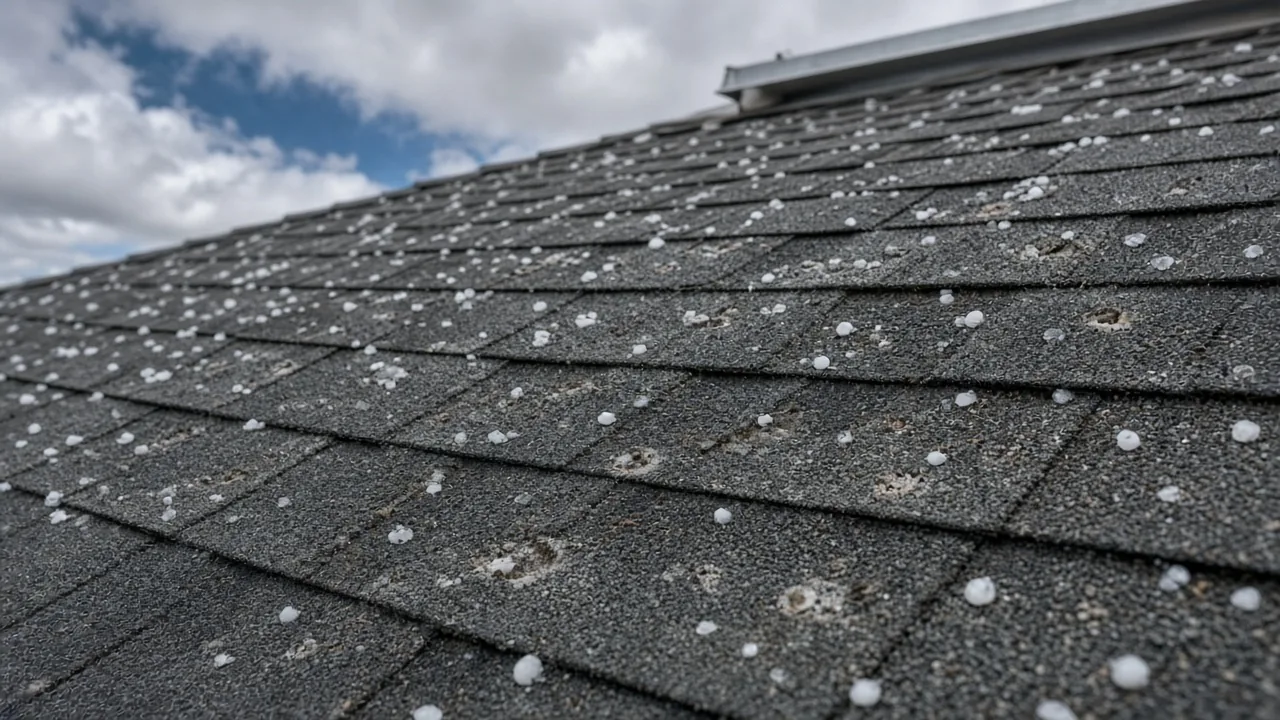
- Wind and hail damage to roofs, siding, windows, and other structures
- Sudden water damage from burst pipes, appliance leaks, and plumbing failures
- Claims that were denied or that you believe were underpaid, where a fresh look at the policy and documentation may be useful. Learn more about our denied and underpaid claims services.
If the only disagreement is about the amount of loss, your policy's appraisal process may also be an option.
Can You Hire a Public Adjuster After Filing a Claim?
Yes, in many cases. Some homeowners call a public adjuster soon after a loss. Others start on their own and look for help later, when the claim becomes more complicated than expected, an estimate doesn't seem to reflect the damage, or they simply run out of time and energy.
State rules may affect when and how a public adjuster can get involved, including rules about contacting homeowners after a loss and about claims that have already been resolved. If you're unsure, ask. A licensed public adjuster should be able to explain what applies in your state.
Licensing Matters
States license and regulate public adjusters. Before hiring anyone, confirm that they are licensed in the state where your property is located. You can usually check a license through the state department of insurance.
All Perils Consulting Inc. was formed in Texas and holds public adjusting firm licenses in Texas (firm #3296354) and Louisiana (firm #1207216). In Mississippi, public adjusting work is performed under our COO Barry Van Shoubrouek's individual Mississippi public adjuster license. You can learn more about our service areas in Texas, Louisiana, and Mississippi on our locations page.
How Public Adjusters Are Paid
Public adjusters work under a written contract with the policyholder. State rules govern what that contract must include, such as required disclosures and any right to cancel within a certain period.
Before you sign, ask the public adjuster to explain in plain terms how their fee works and when it is paid. Make sure you understand the agreement, and keep a copy for your records.
Questions to Ask Before You Hire
- Are you licensed in my state? May I see your license number?
- Who will actually work on my claim day to day?
- How will you keep me updated, and how often?
- How does your fee work, and is it written in the contract?
- Can I cancel the contract, and how?
- What will you need from me?
A good public adjuster will welcome these questions and answer them clearly.
Red Flags to Watch For
Most public adjusters are licensed professionals who take their responsibilities seriously. Still, it's wise to slow down if you notice any of these:
- Pressure to sign a contract immediately, before you've had time to read it
- Promises of a specific payment amount or result
- No license number, or a license that doesn't cover the state where your property is located
- A request to exaggerate damage or leave out information
- Reluctance to answer questions about the contract or fee
A trustworthy professional will give you time, answer your questions, and put everything in writing.
What You'll Still Do as the Homeowner
Hiring a public adjuster doesn't mean stepping away entirely. You'll still make the key decisions about your claim and your home, provide information about what was damaged, keep receipts for expenses, and choose your contractor. Your duties under the policy, such as protecting the property and cooperating with the insurance company's investigation, continue to apply. A good public adjuster helps you meet them.
The Bottom Line
A public adjuster can be a valuable partner when a claim is large, complicated, or simply more than you want to manage alone. The right choice depends on your situation, your comfort level, and the size of your loss. Take your time, ask questions, and choose someone you trust.
You can read more about what we do on our public adjusting services page, and our public adjusting FAQ answers more common questions.
Frequently Asked Questions
Will the insurance company still talk to me if I hire a public adjuster?
Usually, yes. The insurance company may still contact you, for example to schedule an inspection or request a statement. Your public adjuster can help you prepare and can communicate with the insurance company about the claim on your behalf.
Is a public adjuster the same as an attorney?
No. Public adjusters are licensed by the state to help prepare and present property insurance claims. They don't give legal advice. If you have legal questions, talk to a licensed attorney.
Can a public adjuster help if my claim was denied?
Sometimes. A public adjuster can review the denial letter, your policy, and the documentation to see whether additional information may be relevant. Whether help makes sense depends on the reason for the denial. Some denials raise legal questions that are better suited to an attorney.
Do I have to use a particular contractor?
No. You choose who repairs your home. A public adjuster may work with your contractor's estimate or share information with them, but the choice is yours.
How long does a claim take with a public adjuster?
It depends on the size of the loss, how quickly documentation can be gathered, and the insurance company's review. Smaller claims may wrap up in weeks; large fire claims can take months. Your public adjuster should give you a realistic picture and keep you updated.
Not sure whether you need a public adjuster? Ask us and we'll help you think it through, no pressure.
All Perils Consulting Inc. is a licensed public adjusting firm. We are public adjusters, not attorneys, and this article is general information, not legal advice. Every claim and policy is different.
Free claim review
Questions about your claim?
Tell us what happened. A licensed public adjuster will look over your claim and policy and explain your options.
Get a free claim review